Small Apartment Entryway Organization for Renters Without Drilling
A calm, no-damage drop zone for shoes, coats, keys, and mail — even when your front door opens straight into your living room.
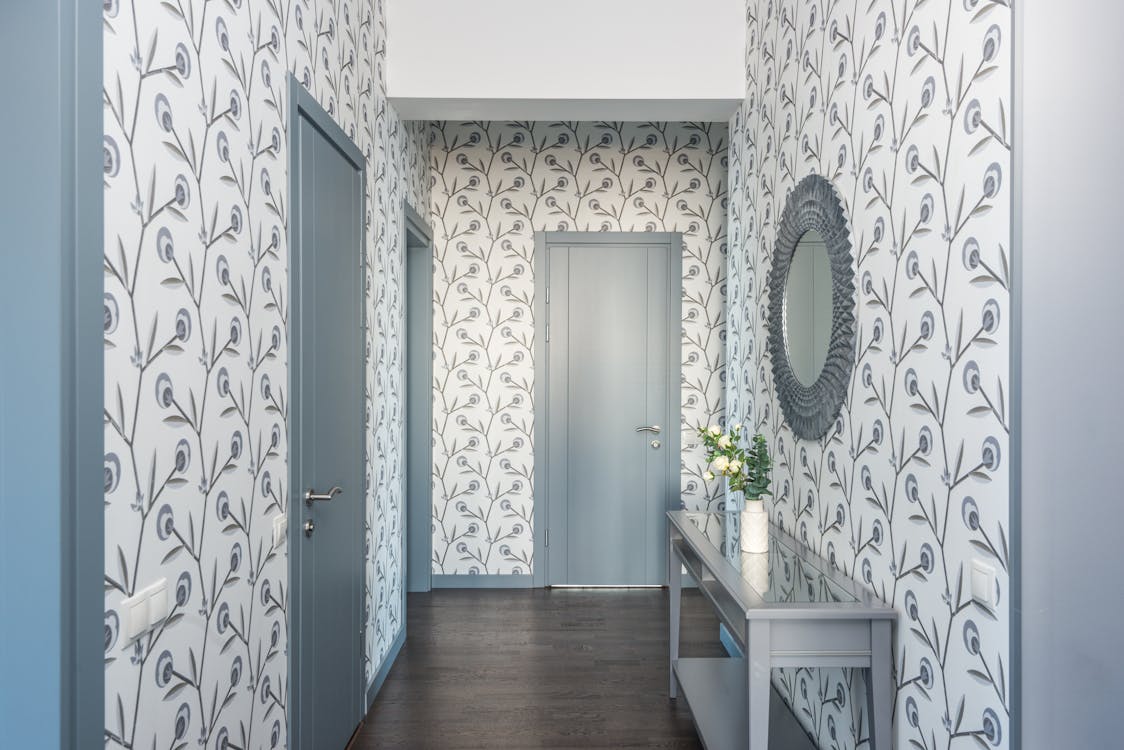
Photo by Max Vakhtbovych on Pexels. Illustrative photo only — not a setup from this guide.
Photo page: Pexels photo 7546771
In a small apartment, the entryway is rarely a real room. It is the few steps just inside the front door, yet shoes, coats, bags, keys, mail, and umbrellas all land there. Without a plan, that clutter spreads into the living room, and every arrival starts to feel messy.
Renters face one extra limit: drilling is often not allowed, or not worth the repair work at move-out. A tidy entryway does not need holes in the wall, though. It needs a clear boundary, a home for each item, and a two-minute daily reset, built with freestanding pieces, over-the-door options, and removable hooks.
Measure first, then shop
Small entryways punish furniture that is even a few inches too deep, so measure before you buy. Open the front door fully and note where it stops, then keep floor items out of that arc. Measure the walkway, the width beside the door, and the door itself, noting switches, radiators, and outlets in the way. Keep those numbers on your phone while you shop — a slim piece that fits beats a larger piece that blocks your path.
Give every arrival its own zone
Think of the entryway as four small zones. Start with the one that causes the most mess in your home, then add the next.
1. Shoes: daily pairs only
Shoes are usually the biggest source of entryway clutter. Set a simple limit: only the pairs you wear most days stay at the entry. Seasonal or rarely worn shoes can live in a closet, under the bed, or on a higher shelf elsewhere. A slim freestanding rack, a low bench with space underneath, or a lidded basket can all work, as long as it fits your walkway and is easy to wipe clean. A small tray underneath can protect the floor from wet shoes.
2. Coats and bags: use the door
When you cannot drill, the back of the door becomes valuable storage. An over-the-door hook rack can hold coats, bags, and a hat without touching the wall. A freestanding coat rack or storage bench works too, and both move with you to your next home. Limit the hooks to what you will actually use, and give each person in the home one or two hooks. Move out-of-season coats to another closet before the row turns into clutter again.
3. Keys, wallet, and mail: one catch-all spot
Small items cause a surprising amount of daily stress, because they are easy to lose in a pile. A single tray, small bowl, or lidded box near the door solves this: keys and wallet go in the tray when you come home, and you check one spot when you leave. Mail needs its own rule too. Sort it at the door when you can, keep what needs action in the tray, and recycle junk mail right away. Without that habit, even a beautiful tray fills up within a week.
4. Extras: only if there is room
If you have space, add one small basket or hook for umbrellas, sunglasses, or a reusable bag. If you do not, leave those items out entirely. Three tidy zones beat a crowded entryway that tries to hold everything.
No-drill options that actually hold up
No-drill does not mean weak, but match the method to the weight and surface. Check the weight rating, and follow the instructions for cleaning the surface and waiting before hanging anything heavy. Over-the-door racks suit coats and bags, as long as the door still closes. Freestanding racks, benches, and slim consoles need no wall fixings. Removable adhesive hooks suit light items such as keys or a hat, and work best on smooth, clean surfaces. Tension rods can hold light bags in a narrow hallway, if you measure the gap first. Test a hook with a lighter item first, and check your lease rules about adhesives.
Three layouts, three simple setups
Door opens into the living room. Mark the zone with a small washable rug just inside the door, a shoe tray on the rug, an over-the-door rack, and a tray for keys. The rug shows where outdoor items stop.
Narrow hallway. Keep one side clear for walking and put all storage on the other side, using shallow pieces only.
Almost no wall space. Skip wall storage and use the door plus one freestanding piece, such as a bench with shoe space underneath.
The two-minute reset
No entryway stays tidy on its own. Do a short reset at the same time each day, for example just before bed. Return shoes to the rack, hang coats and bags, put keys and wallet in the tray, sort the day's mail, and leave the path clear. If the reset keeps taking longer than a few minutes, the system is holding too much — remove one item type, rather than buying bigger storage.
Quick checklist
☐ Measure the door swing, walkway, and usable wall.
☐ Keep only daily shoes at the entry; move the rest elsewhere.
☐ Add one tray for keys, wallet, and action mail.
☐ Do a two-minute reset each evening, and clear mail once a week.
Frequently asked questions
Can I organize a small apartment entryway without drilling at all?
Yes. Freestanding racks, benches, and slim consoles need no wall fixings, over-the-door racks use the door, and removable hooks can cover light items. Choose the method that fits your space and your lease rules.
What if my front door opens directly into my living room?
Create a boundary with a small rug just inside the door, and keep all entry items inside that zone. An over-the-door rack and a small tray nearby are often enough.
How do I stop shoes from taking over the entryway?
Set a limit for how many pairs stay by the door, and store the rest elsewhere. When extra pairs creep back in, move them out during your evening reset.
Are adhesive hooks safe for rented walls?
They can be, for light items on suitable smooth surfaces, if you follow the package instructions for cleaning, waiting, and removal. Check your lease first, and avoid overloading a hook beyond its stated rating.
How often should I tidy the entryway?
A short daily reset keeps it manageable, and a weekly clear-out handles mail and anything that has drifted in from other rooms. If the daily reset feels long, simplify the system instead of adding more storage.
A small entryway does not need to be perfect. It needs to be easy: easy to walk through, easy to find things in, and easy to reset at the end of the day.
Comments
Post a Comment